
Stress and symptoms correlated?
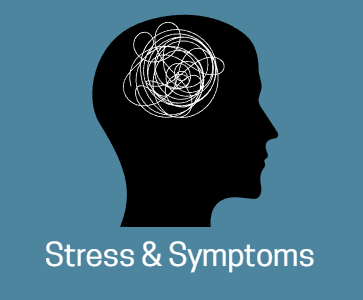
I've had some really interesting conversations over the past few weeks. One common theme keeps coming up: stress. Have you ever noticed that an ache or pain seems to become more noticeable when you're stressed? You're not imagining it. Stress can influence how your body feels and responds to discomfort.
Understanding Your Body's Stress Response
Your body has a built-in “fight or flight” system designed to help protect you when it senses a threat.
When you're stressed, worried or experiencing pain, this system can become more active. Your muscles may become more tense, you might move differently, and your nervous system can become more alert to signals coming from your body.
This response is useful when we need to react quickly to danger. However, when stress continues over a longer period, it can contribute to muscle tension, affect sleep and increase sensitivity to pain.
As a result, an existing problem in your back, neck or joints may feel more uncomfortable during stressful periods, even if you haven't done anything physically different.
🧠 It's All About Communication
Your nervous system constantly carries information between your body and brain. Your brain processes this information alongside other factors, including your surroundings, past experiences and current stress levels, to help decide how your body responds.
When stress levels are high, your nervous system can become more protective and sensitive to incoming signals.
Think of it like turning up the volume on a radio. The original signal may not have changed, but you're hearing it clearer.
This is one reason why musculoskeletal problems aren't always just about the area that hurts. Pain, stress, movement and the nervous system all influence one another.
What Can You Do?
If you notice your symptoms getting worse during stressful periods, don't automatically assume you've caused further damage. Instead, take a moment to consider the bigger picture:
Sleep: Are you getting enough good-quality rest?
Movement: Have you been sitting for longer or moving less than usual?
Stress: Have work, family or other pressures increased recently?
Daily demands: Have you suddenly increased your exercise or physical activity?
Regular movement, appropriate exercise, good sleep and finding ways to manage stress can all help support your body's ability to adapt and recover.
Helping Your Body Feel Safe to Move
Understanding the relationship between stress and physical symptoms can be an important part of recovery. Chiropractic care may help address joint function as part of a wider approach that considers your activity levels, lifestyle and individual needs.
Your symptoms are information, but they don't always tell the whole story. Sometimes, helping your body feel more comfortable and confident with movement is an important step towards returning to normal function.
Keep moving well and look after yourself,
Rhodes, Vera and The Team at Backs and Joints Chiropractic.